Elevate Organizational Safety: Key Insights from 'The Right Way'
- therightway6
- Mar 19
- 4 min read
In today's fast-paced world, organizational safety is more crucial than ever. With increasing workplace incidents and a growing emphasis on employee well-being, companies must prioritize safety measures that not only comply with regulations but also foster a culture of care. Drawing insights from the book The Right Way, this post explores practical strategies to elevate safety within organizations.
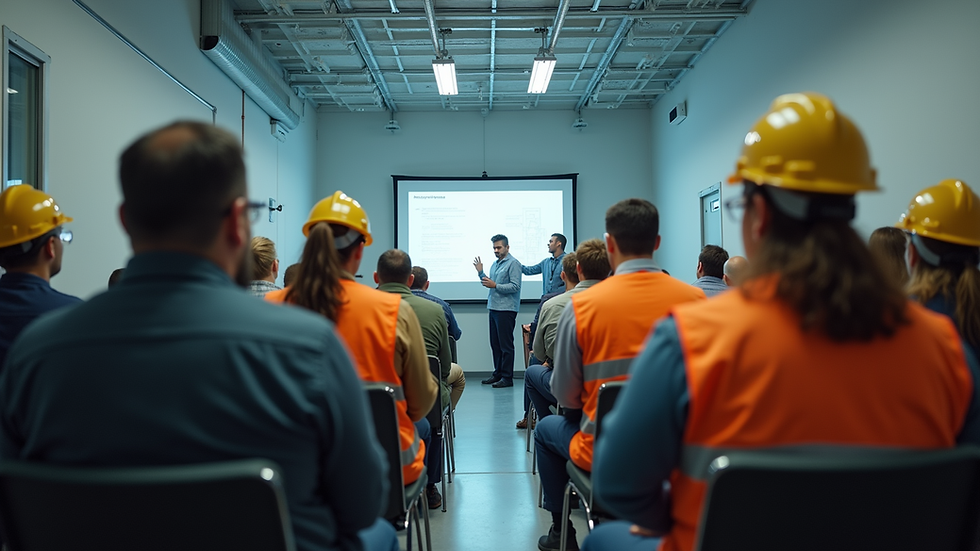
Understanding the Importance of Safety Culture
A strong safety culture is the backbone of any successful organization. It goes beyond mere compliance with safety regulations; it involves creating an environment where employees feel responsible for their own safety and that of their colleagues.
What is Safety Culture?
Safety culture refers to the shared values, beliefs, and practices regarding safety within an organization. It influences how employees perceive risks and their willingness to engage in safe practices. A positive safety culture can lead to:
Reduced incidents: Organizations with a strong safety culture often experience fewer accidents and injuries.
Increased morale: Employees who feel safe are more likely to be engaged and productive.
Enhanced reputation: Companies known for prioritizing safety attract top talent and retain customers.
Building a Safety Culture
To cultivate a robust safety culture, organizations can implement the following strategies:
Leadership Commitment: Leaders must demonstrate a genuine commitment to safety. This can be achieved through regular safety meetings, visible support for safety initiatives, and open communication about safety concerns.
Employee Involvement: Encourage employees to participate in safety discussions and decision-making. This not only empowers them but also provides valuable insights into potential hazards.
Training and Education: Regular training sessions ensure that employees are aware of safety protocols and best practices. Tailoring training to specific roles can enhance its effectiveness.
Recognition and Rewards: Acknowledge and reward safe behaviors. This can motivate employees to prioritize safety in their daily tasks.
Identifying and Mitigating Risks
Understanding potential risks is essential for creating a safe workplace. Organizations must conduct thorough risk assessments to identify hazards and implement measures to mitigate them.
Conducting Risk Assessments
Risk assessments involve evaluating the workplace for potential hazards. Here’s how to conduct an effective assessment:
Identify Hazards: Walk through the workplace and identify potential hazards, such as slippery floors, exposed wiring, or heavy machinery.
Evaluate Risks: Assess the likelihood and severity of each hazard. This helps prioritize which risks need immediate attention.
Implement Controls: Develop strategies to mitigate identified risks. This may include installing safety equipment, modifying work processes, or providing additional training.
Review and Revise: Regularly review risk assessments to ensure they remain relevant as the workplace evolves.
Example of Risk Mitigation
Consider a manufacturing facility where heavy machinery is used. After conducting a risk assessment, the organization identifies that employees are at risk of injury from moving parts. To mitigate this risk, the company implements the following measures:
Safety Guards: Installing guards on machinery to prevent accidental contact.
Training: Providing specialized training for employees on safe machinery operation.
Signage: Placing clear warning signs near hazardous areas.
Effective Communication Strategies
Clear communication is vital for promoting safety within an organization. Employees must be informed about safety protocols, changes in procedures, and potential hazards.
Establishing Communication Channels
Organizations should establish multiple communication channels to ensure that safety information reaches all employees. Consider the following methods:
Safety Meetings: Regular meetings provide a platform for discussing safety concerns and sharing updates.
Bulletin Boards: Use bulletin boards to display safety information, reminders, and success stories.
Digital Platforms: Utilize intranet systems or apps to disseminate safety information quickly and efficiently.
Encouraging Open Dialogue
Creating an environment where employees feel comfortable voicing their safety concerns is essential. Encourage open dialogue by:
Implementing Suggestion Boxes: Allow employees to anonymously submit safety concerns or suggestions.
Conducting Surveys: Regularly survey employees to gauge their perceptions of safety and gather feedback on safety initiatives.
Leveraging Technology for Safety
Technology can play a significant role in enhancing workplace safety. From monitoring systems to training tools, organizations can leverage various technologies to improve safety outcomes.
Examples of Technology in Safety
Wearable Devices: Smart helmets and vests equipped with sensors can monitor workers' vital signs and environmental conditions, alerting them to potential dangers.
Safety Management Software: These platforms help organizations track incidents, manage training records, and streamline safety reporting.
Virtual Reality Training: VR can simulate hazardous situations, allowing employees to practice safety protocols in a controlled environment.
Continuous Improvement in Safety Practices
Safety is not a one-time effort; it requires ongoing commitment and improvement. Organizations should adopt a mindset of continuous improvement to enhance their safety practices.
Implementing a Safety Improvement Plan
To foster continuous improvement, organizations can implement a safety improvement plan that includes:
Regular Audits: Conduct safety audits to evaluate the effectiveness of safety measures and identify areas for improvement.
Feedback Mechanisms: Establish channels for employees to provide feedback on safety practices and suggest improvements.
Benchmarking: Compare safety performance against industry standards and best practices to identify gaps and opportunities for enhancement.
Example of Continuous Improvement
A logistics company may notice an increase in minor accidents during peak delivery times. To address this, they could:
Analyze Incident Reports: Review incident reports to identify common factors contributing to accidents.
Adjust Staffing Levels: Increase staffing during peak times to reduce employee fatigue and improve focus.
Enhance Training: Provide additional training focused on safe practices during high-pressure situations.
Conclusion
Elevating organizational safety is a multifaceted endeavor that requires commitment, communication, and continuous improvement. By fostering a strong safety culture, identifying and mitigating risks, leveraging technology, and encouraging open dialogue, organizations can create a safer workplace for all employees.
As you reflect on your organization’s safety practices, consider implementing these insights from The Right Way. Remember, a proactive approach to safety not only protects employees but also enhances overall productivity and morale. Take the next step in prioritizing safety and make it a core value of your organization.


Comments